
How Often Does a Grease Trap Need Pumping?
That 25 percent threshold is the real trigger, not the calendar, though most restaurant kitchens in Yorba Linda land on a monthly or quarterly rhythm once volume settles. A busy fryer station fills faster than a coffee counter. Yorba Linda Porta Pros measures the depth at each visit and sets the next date off what we actually find, not a guess. This is different math than a house on a private system: a residential septic tank is typically pumped every 3 to 5 years, driven by tank size and household size, while a commercial trap under a three-compartment sink works on a much shorter clock. If you are unsure which category your setup falls under, our septic pumping service page walks through both, and how often to pump a septic tank covers the residential side in more depth.
What Does Grease Trap Pumping Cost?
Pricing depends on trap size, grease load and whether you need a standing route or a one-time cleanout. Below are the bands that apply to comparable pumping work in this market.
| service | duration | low | typical | high |
|---|---|---|---|---|
| septic pumping | day rate | $150 | $250 | $300 |
| septic pumping | weekend call | $50 | $100 | $150 |
| service fee | one-time | $100 | $175 | $300 |
| service fee | monthly route | $100 | $150 | $300 |
A standing monthly route usually runs cheaper per visit than calling for a single emergency cleanout, since the crew and truck are already scheduled through the area. For a broader cost breakdown across service types, see septic tank pumping cost and septic tank cleaning.
Why Does Yorba Linda Need Grease Trap Pumping Near Me Fast?
A trap that overflows sends grease straight into the line, and that backs up a kitchen mid-shift. Restaurants near Placentia, 5.6 miles west, and Brea, 7.1 miles northwest, deal with the same seasonal spike in grease volume during holiday catering runs, so the trucks stay busy across both corridors. Yorba Linda Porta Pros treats a full trap the same way we treat a failed tank: same-day where the schedule allows, because a shutdown kitchen loses revenue every hour the drain stays clogged. Watch for slow drains, gurgling in the sink line, or a sour smell near the floor drain; those are the same warning signs covered on our septic tank warning signs page. If your grease issue is really a broader septic backup, our emergency septic service crew handles both under one dispatch.
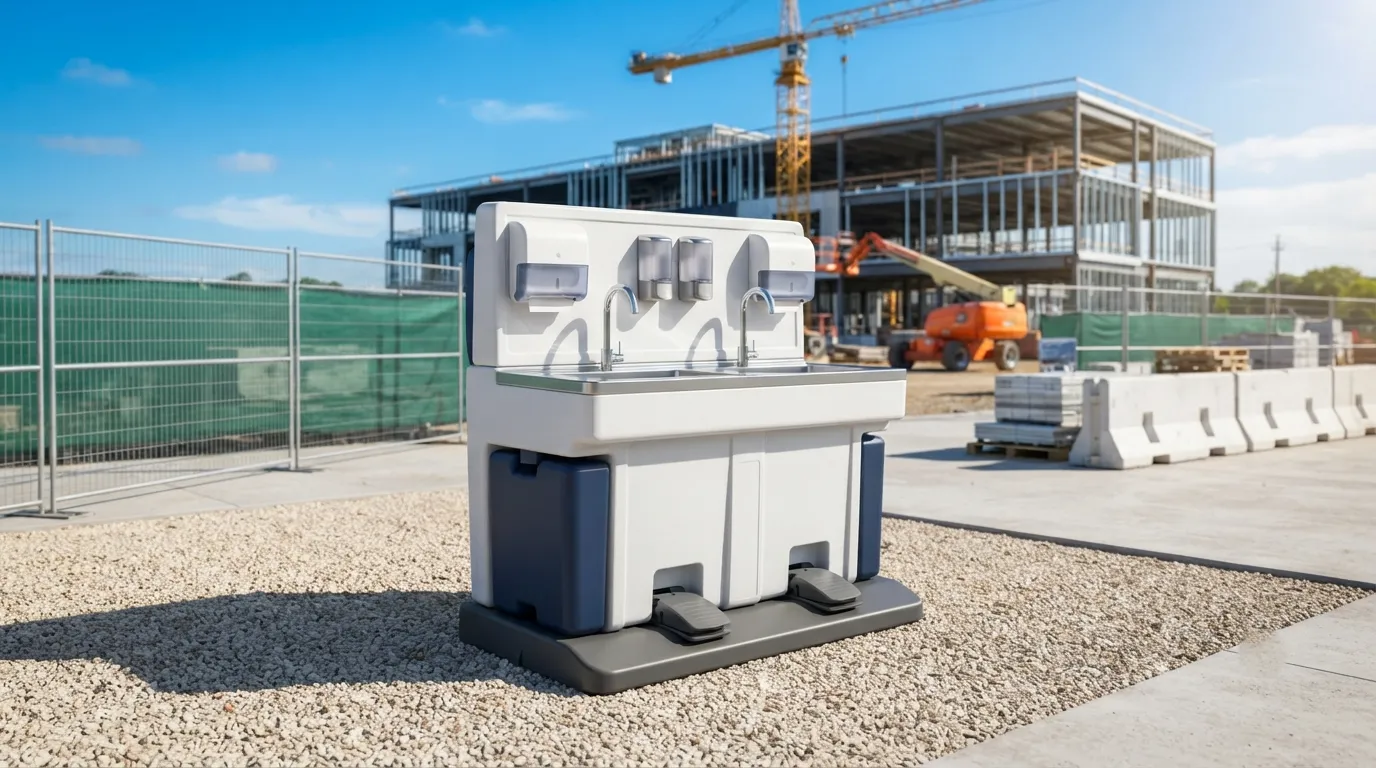
Grease trap work sits alongside the rest of what we run for job sites and event grounds around Yorba Linda: portable toilet rental, restroom trailer rental, roll-off dumpster rental, and handwashing station rental all come off the same trucks. A kitchen mid-renovation often needs a holding tank rental bridging the gap while plumbing is disconnected, and a construction crew nearby may need construction site services scheduled the same week.
How much does grease trap pumping cost in Yorba Linda?
Expect a service fee in the range shown above, with the exact number set by trap size and grease volume. A standing monthly account typically costs less per visit than an emergency one-time call. Ask for a route quote if your kitchen runs daily fryer volume.
What happens during a grease trap pumping visit?
The crew opens the trap, measures the grease and solids layer, and pumps the tank down to bare liquid. We check the baffle and inlet for blockage before closing it back up. Most standard visits take under an hour for a typical restaurant-size trap.
Can I get emergency grease trap pumping same day?
Often, yes. A trap that overflows during service hours gets priority dispatch, similar to how we handle emergency porta potty rental calls. Call early in the day for the best chance at same-day service.
Do I need a grease trap if I already have septic?
Most commercial kitchens need both: a grease trap catches fats before they reach the septic line or sewer connection. Skipping the trap shortens the life of everything downstream, including a residential-style tank.
How is grease trap pumping different from regular septic pumping?
A grease trap collects fats, oils and solids from kitchen drains specifically, while a septic tank handles all wastewater from a building. Grease traps need pumping far more often, sometimes monthly, because grease accumulates faster than typical household waste. See grease trap pumping scheduling options for kitchens running high volume.
Next step
Get a delivery date
Tell us the address, the dates and the headcount. We size the order and confirm the route.