What makes a porta potty ADA compliant?
An accessible unit is bigger, wired for reach, and built around real clearances, not just a wider door. ADA Standards section 404.2.3 sets minimum clear door opening width at 32 inches, wide enough for a wheelchair to pass through without a fight. Inside, ADA Standards section 304.3.1 requires a 60 inch diameter turning circle, so a user can rotate a chair fully without backing out the door. Grab bars, a raised seat and a forward reach zone that tops out at 48 inches per ADA Standards section 308.2.1 round it out. Yorba Linda Porta Pros stocks these as a distinct line, separate from the standard porta potty rental most crews order by default. If you're comparing the two side by side, the ADA accessible porta potty page breaks down what's different beyond size. Door hardware matters too: ADA Standards section 309.4 requires operable parts usable with one hand, without tight grasping or more than 5 pounds of force, which rules out old-style twist latches on a compliant unit.
How many accessible units do I need on site?
One accessible unit per cluster is the floor, not the ceiling. ADA Standards section 213.2 sets that 5 percent minimum, but total toilet count still runs off OSHA 1926.51(c): one facility for 20 workers or fewer, then 1 toilet seat and 1 urinal per 40 workers as the crew grows past that, and per 50 once you hit 200 or more. So a 45-person job in Yorba Linda needs enough total units to clear that ratio, and at least one of them has to meet the accessible spec. Event organizers run the same math differently, since foot traffic through a festival gate doesn't map to OSHA's worker ratios. If you're planning numbers for a wedding, a golf tournament, or a county fair booth, the how many porta potties do I need guide walks through sizing by headcount instead of crew size. For general contractors juggling both a crew and public visitors, construction site services covers how that split gets handled on one delivery.
Where should ADA units be placed on a Yorba Linda site?
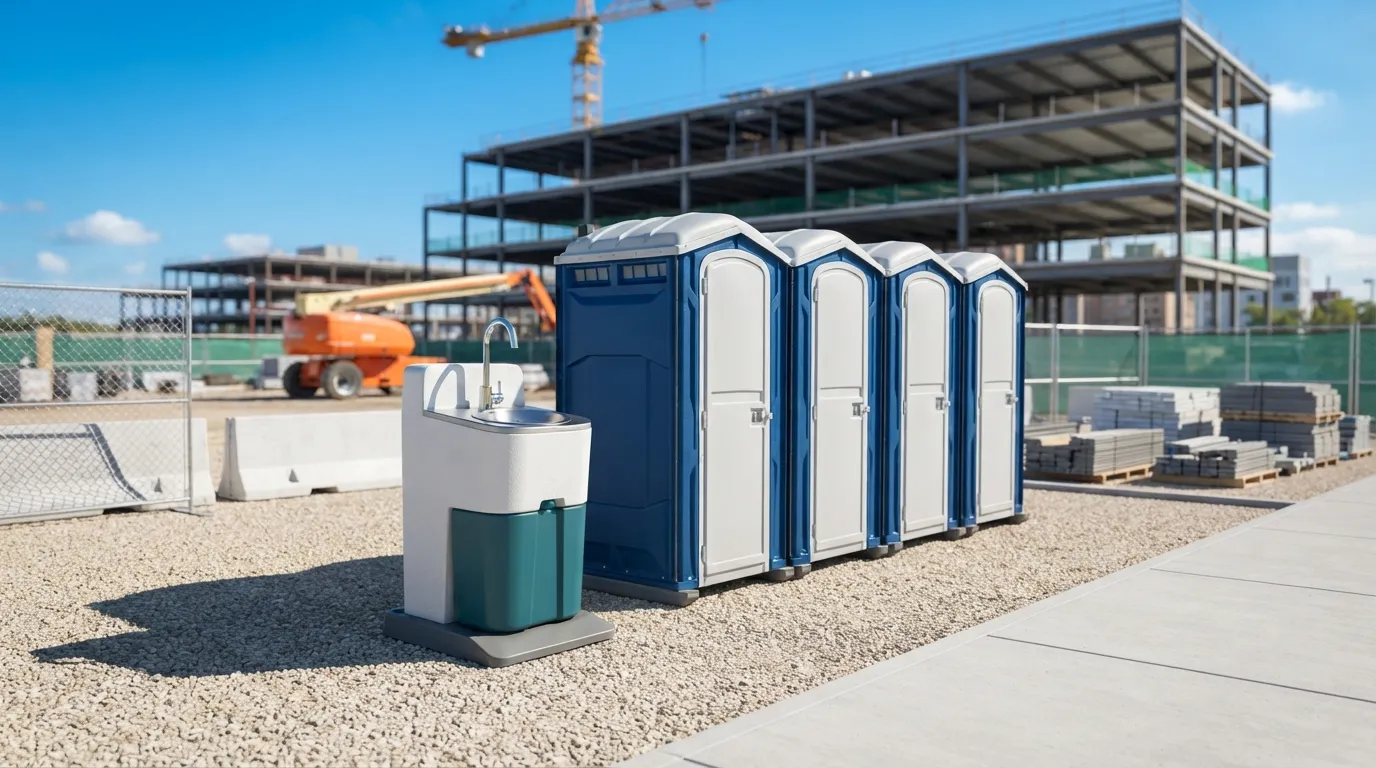
Placement is where most compliant units fail inspection anyway, not the unit itself. ADA Standards section 403.5.1 requires a minimum 36 inch clear width on the route leading to the unit, and ADA Standards section 302.1 requires that surface be stable, firm and slip resistant, which rules out setting an accessible unit on loose gravel or soft turf. If the route to the unit crosses a curb or a grade change, ADA Standards section 405.2 caps ramp slope at 1:12, so a plywood ramp thrown down at a steeper pitch doesn't count. Yorba Linda Porta Pros walks the site before drop-off specifically to check this path, because a compliant toilet at the end of a noncompliant route still fails. The porta potty placement guide covers the same ground for standard units, and if you're staging a footprint for a specific event type, event restroom rental and wedding restroom rental both fold placement into the planning step. Delivery trucks also need about 60 feet of straight clearance behind them to drop a roll-off or a trailer, which matters if the accessible unit shares a laydown zone with a construction dumpster rental.
Do restroom trailers need the same ADA features?
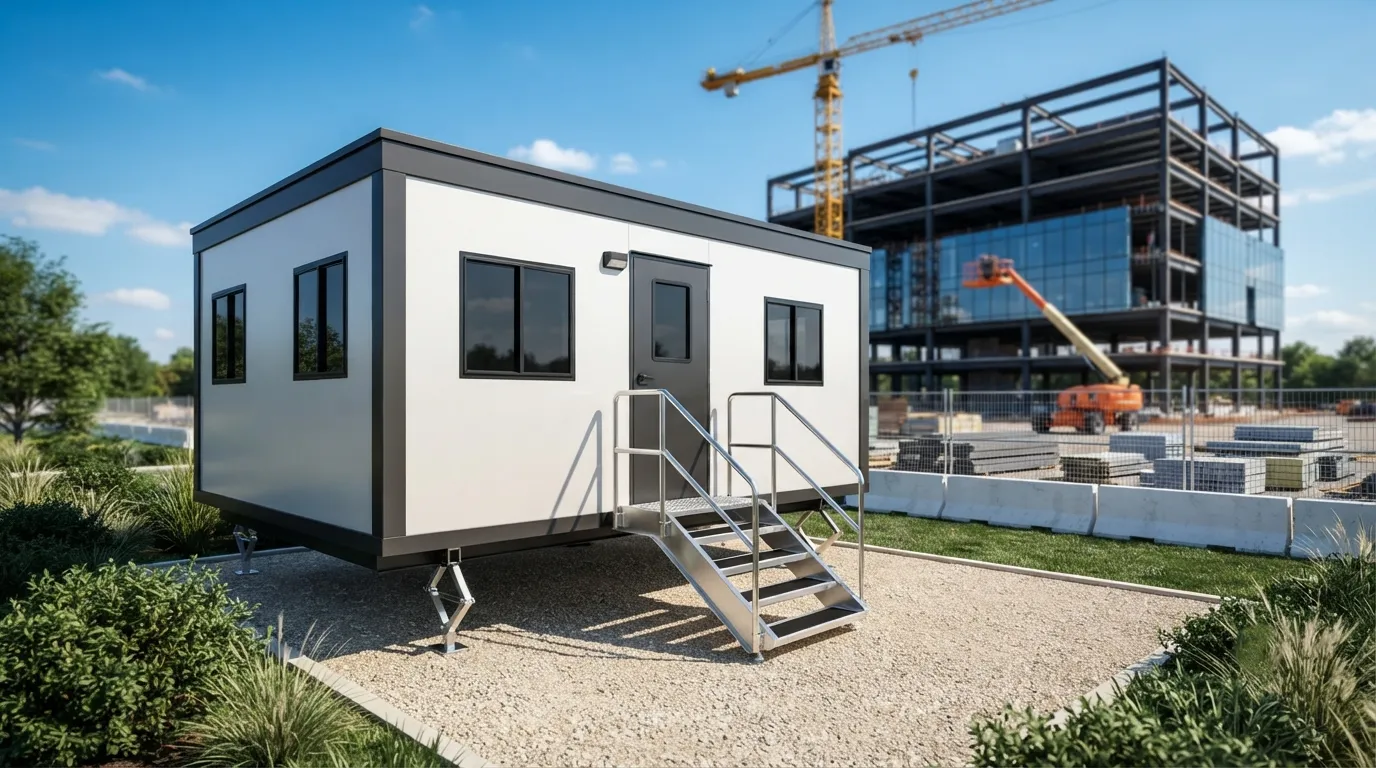
Yes, and trailers usually make compliance easier, not harder, because the extra floor space absorbs the turning circle without crowding other fixtures. A restroom trailer rental built with an ADA stall still needs that 60 inch turning diameter and the 32 inch door, but it can also carry a sink at accessible reach height and grab bars integrated into the stall wall rather than bolted onto a single-unit shell. The 2 stall restroom trailer and 4 stall restroom trailer options both offer an ADA-compliant stall as one of the bays. For larger bookings, the 8 stall restroom trailer can dedicate a full stall to accessible use without cutting into general capacity. Weekly restroom trailer rates for these run from the low hundreds up past a few thousand depending on stall count and finish, and the restroom trailer rental cost page has the full range broken out by size. Handwashing is a separate requirement layered on top: 29 CFR 1910.141(d)(2) requires soap and towels or a hand drying device at any wash station, and hand sanitizer alone doesn't satisfy it, something worth checking if you're adding a standalone handwashing station rental instead of a trailer sink.
FAQ
Does every portable toilet on my job site need to be ADA accessible?
No. ADA Standards section 213.2 only requires 5 percent of a cluster to be accessible, with a minimum of one. A single standard unit job in Yorba Linda still needs an accessible option once you add a second or third toilet to the order.
Can I rent just one ADA unit for a small event?
Yes, and that's normal for smaller bookings. Daily and weekly ADA rates sit in a defined band, and Yorba Linda Porta Pros delivers single accessible units the same way as porta john rental orders, just with the wider door and turning space built in.
What's the difference between ADA and deluxe units?
ADA units are built around clearance and reach, not comfort features. A deluxe flushable porta potty adds a flush mechanism and sink but isn't automatically ADA compliant unless it's also built to the 32 inch door and 60 inch turning specs.
Do accessible units cost more to rent?
Typically yes, since the wider shell and hardware cost more to manufacture. Check the porta potty rental cost page for how ADA pricing compares to standard units across day, week and month terms.
Who do I ask about placement rules near Yorba Linda's public right of way?
Placement in a public right of way needs confirming directly with the city, since permit rules vary by location and aren't listed here. The porta potty permit requirements page explains what to check before delivery day, whether you're closer to Placentia, 5.6 miles west, or working a site nearer Brea.
Next step
Get a delivery date
Tell us the address, the dates and the headcount. We size the order and confirm the route.